Little Dude Big Heart: A Designer's Embroidery Review
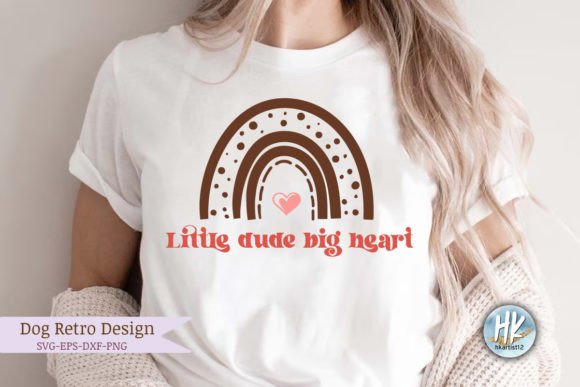
When I first opened the folder for Little Dude Big Heart, I didn't just see a cute graphic; I saw a potential bestseller for a boutique baby shop. As someone who spends hours tweaking stitch densities and testing thread contrasts, my first impression is always about utility. This design carries a specific mood immediately—it feels nostalgic yet modern, with a retro vibe that fits perfectly into current trends for handmade nursery decor and personalized gifts. It isn't just a shape on a screen; it has a personality that suggests warmth and affection, making it an ideal candidate for Valentine's Day projects or year-round sentimental items.
Real-World Application: From Screen to Stitch
The true test of any embroidery file happens when you move it from the digital workspace to the hoop. Imagine preparing a custom embroidered tote bag for a local craft fair or creating a special gift set for a new parent. Little Dude Big Heart offers a layout that feels balanced enough for larger garments like sweatshirts but detailed enough to stand out on smaller items like baby onesies or aprons. The retro aesthetic translates well into thread, particularly if you choose muted pastels or classic primary colors that evoke that vintage feel.
I envision this design being used as a focal point on a kitchen towel for a wedding shower, where the "Big Heart" element provides a strong visual anchor. Alternatively, placing it on the chest of a cap could work beautifully, provided the curvature of the hat doesn't distort the central elements too much. For Etsy sellers looking to expand their inventory, this design bridges the gap between seasonal Valentine's Day products and evergreen baby-themed merchandise. It allows a small business owner to create a cohesive line of products without needing multiple complex designs.
Where This Design Shines in Production
In terms of versatility, Little Dude Big Heart performs exceptionally well on stable fabrics. When stitched onto a sturdy cotton canvas for a tote bag, the lines remain crisp, and the heart shape holds its form without collapsing. On a soft fleece sweatshirt, the design adds a layer of texture that elevates the perceived value of the garment. Customers often associate high-quality stitching with trust, and a clean execution of this design signals professionalism.
For those creating personalized gifts, the simplicity of the layout leaves room for customization. You could easily add a name underneath the heart using a complementary font, turning a generic design asset into a unique keepsake. The retro style also pairs wonderfully with other design assets in your library, allowing you to create branded packaging or printable mockups that look consistent across different platforms. Whether you are decorating a pillow cover or creating an embroidered patch for a denim jacket, this file offers the structural integrity needed for a finished product that lasts.
Navigating Technical Challenges and Fabric Choices
However, no design is without its constraints, and understanding them is crucial for maintaining your reputation as a maker. While Little Dude Big Heart is robust, there are scenarios where caution is required. If you attempt to stitch this on a very small hoop size, such as one intended for a child's sock or a tiny keychain, you might find that the details become muddy. The retro lines, while charming, need enough space to breathe; compressing them too tightly can result in a messy appearance that detracts from the handmade appeal.
Fabric selection plays a pivotal role here. Stretchy knits, like those found in t-shirts or leggings, require careful stabilization to prevent the design from warping during the washing process. Without a proper cut-away stabilizer, the tension of the fabric pulling against the stitches could cause the heart to pucker or the lines to shift. Similarly, textured fabrics like heavy boucle or loose-weave linen might hide the finer details of the design, making it look less defined than intended.
Dark fabrics present another consideration. If the design relies heavily on thin lines or light-colored threads, the contrast might be insufficient on a black or navy background. In these cases, a backing layer or a specific thread color choice becomes essential to ensure the Little Dude Big Heart pops visually. Additionally, if you plan to use this for commercial embroidery on items that will undergo frequent washing, such as work aprons or children's clothing, you must verify the stitch density. Too much fill stitch can make the fabric stiff and uncomfortable, while too little might leave gaps that snag over time.
Designer Notes for Professional Results
Before committing to a full production run, I strongly advise running a test on scrap fabric. This simple step allows you to inspect small details and check thread color contrast under your specific lighting conditions. Reviewing the stitch density in your digitizing software can help you identify areas that might be prone to puckering or thread breaks. Confirming the hoop size early on ensures that the design fits your intended product dimensions without requiring awkward resizing that could alter the aspect ratio.
It is also wise to test the design in black and white mockups before adding color. This helps you visualize the structure and flow of the design without the distraction of thread choices. Comparing how it looks on both light and dark fabric backgrounds will give you a clear picture of its versatility. Using the proper stabilizer is non-negotiable for achieving a professional finish; it supports the fabric and prevents distortion, ensuring that the final product looks as good as the digital preview.
Finally, always confirm licensing terms before selling finished items or digital products. Even though this is a crafts and graphics category item, the rights to use it commercially can vary. Ensure you have the necessary permissions to sell the finished embroidered goods, especially if you are operating a small shop or an Etsy listing. Checking whether the design works for both personal and commercial projects upfront saves headaches later.
Final Thoughts on Visual Appeal and Value
Ultimately, Little Dude Big Heart is more than just a decorative element; it is a tool for building brand consistency and engaging buyers. A well-executed embroidery project communicates care and attention to detail, which directly impacts customer trust. When a buyer sees a crisp, well-stitched design on a personalized gift, they are more likely to perceive the item as valuable and worth the price.
The design's ability to convey emotion through a simple shape makes it a powerful asset for holiday embroidery projects or boutique branding. It invites interaction and connection, which is exactly what handmade products strive to achieve. By understanding its strengths and limitations, you can leverage Little Dude Big Heart to create stunning embroidery projects that resonate with your audience. Whether you are a hobbyist looking to make a unique gift or a creative entrepreneur scaling your business, this design offers a solid foundation for success.
Remember, the difference between a good product and a great one often lies in the preparation. Take the time to test, adjust, and refine. With the right approach, this retro-inspired design can become a staple in your collection of digital embroidery files, helping you deliver high-quality handmade products that customers love.