Be Thankful Retro SVG: A Designer's Review for Real Embroidery
As someone who has spent years stitching custom apparel and reviewing digital assets for my own handmade shop, I approach every new design file with a mix of excitement and skepticism. When I first pulled up Be Thankful Retro SVG, I wasn't just looking at a vector; I was imagining how it would translate from a screen into thread on fabric. The retro aesthetic immediately caught my eye, offering a nostalgic warmth that feels perfect for the current season. But does this design hold up under the needle, or is it just another pretty picture that falls apart in real-world production? Let's dive into a practical evaluation based on actual project scenarios.
The First Impression: Mood and Visual Personality
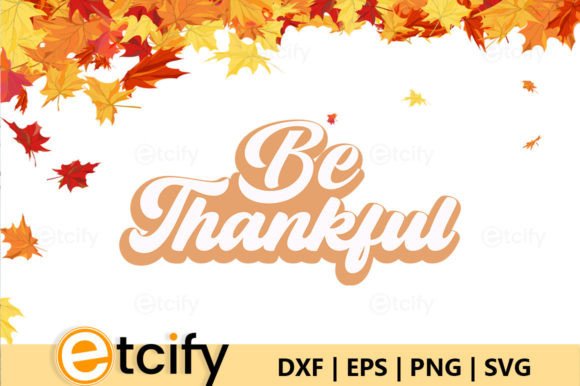
The moment you open the files, the vibe is unmistakable. This isn't a sterile, modern corporate logo; it breathes with a cozy, vintage charm. The typography and layout suggest a time-honored tradition of gratitude, making it an ideal candidate for holiday embroidery projects or autumnal decor. For a designer, the visual personality is crucial because it dictates the emotional response of the customer. Be Thankful Retro SVG creates an immediate sense of comfort and nostalgia. It feels like something you would find on a well-worn kitchen towel or a patch on a denim jacket.
In terms of layout, the design balances text and graphical elements in a way that suggests versatility. It doesn't scream for attention but rather invites a closer look. This subtlety is often what separates a mass-produced item from a high-end handmade product. The shapes are clean enough to stitch clearly but have enough character to stand out against various backgrounds. Whether you are planning a tote bag design or a personalized gift, the initial visual impact promises a professional finish that aligns with boutique branding standards.
Real-World Application: From Screen to Stitch
To truly test the potential of Be Thankful Retro SVG, I imagined placing it on a few specific items that are staples in my own workflow. The first scenario that came to mind was a custom embroidered sweatshirt for a small batch holiday order. The retro style fits perfectly on a heavy cotton fleece. The design's curves and lines would likely translate well using a combination of satin stitch for the outlines and fill stitch for the body, provided the density settings are adjusted correctly.
I also considered using this file for a baby item, perhaps a soft muslin onesie or a nursery wall hanging. The gentle, rounded nature of the retro font makes it safe and appealing for children's wear. However, when moving to smaller hoops, like those used for embroidered patches or hat fronts, the details become critical. If the design includes tiny lettering or intricate corners, these areas might require careful digitizing adjustments to prevent puckering or loss of definition. The file is marketed as compatible with Cricut and Silhouette, which implies it is scalable, but for machine embroidery, the resolution of the path matters more than the software compatibility.
For commercial use, such as creating Etsy listings or craft fair merchandise, this design offers a strong value proposition. Customers love items that feel personal and seasonal. A coffee mug wrap or a tea towel featuring Be Thankful Retro SVG could easily become a bestseller during the fall months. The design's ability to work on both light and dark fabrics (depending on thread choice) adds to its utility as a digital embroidery file for a versatile inventory.
Navigating Challenges: Where to Use Caution
No design is without its limitations, and being an experienced reviewer means knowing where not to push a pattern. One area where Be Thankful Retro SVG requires caution is on stretchy fabrics. While the retro aesthetic looks great on structured materials like canvas or twill, applying dense stitches to a stretchy jersey or thin knit can lead to distortion if the stabilizer isn't chosen wisely. The tension of the thread might pull the fabric out of shape, ruining the crispness of the retro curves.
Another consideration is the hoop size. If you attempt to stitch this on a very small surface, such as a cap brim or a miniature tag, the fine details might get lost. Tiny lettering often struggles in tight spaces, especially if the thread color contrast isn't high enough. Dark fabrics present their own challenge; while the design is visually striking, ensuring the thread coverage is opaque enough to hide the background fabric requires a higher stitch density. This can increase the risk of fabric puckering if the underlying material isn't stabilized properly.
Furthermore, products that undergo frequent washing, like aprons or kitchen towels, need robust stitching. If the design relies heavily on running stitch for delicate details, these threads may fray over time. It is essential to review the stitch density before committing to a large production run. For commercial embroidery projects where durability is paramount, you might need to adjust the fill density or add a backing layer to ensure the design survives repeated laundering.
Impact on Product Value and Brand Trust
The quality of your embroidery directly influences customer trust. A well-executed Be Thankful Retro SVG design elevates the perceived value of a small shop product. When a buyer receives a tote bag or a pillow cover with crisp, clean stitching, they associate that quality with the brand behind it. Conversely, a poorly executed file can make even the best concept look cheap. The retro theme works particularly well for brands that want to convey authenticity and craftsmanship.
This design also enhances giftability. People often look for items that express emotion, and "Be Thankful" is a universal sentiment. By ensuring the finished product looks polished, you turn a simple object into a cherished keepsake. For creative entrepreneurs, this means investing time in testing the design on scrap fabric to check thread color contrast and inspect small details before selling. A consistent brand image relies on these small but significant details.
Practical Designer Notes for Success
Before you start stitching, here are a few non-negotiable steps for any serious embroidery project. First, always test the design on scrap fabric. This allows you to see how the stitch density interacts with your specific material and whether the hoop size is appropriate for the layout. Second, review the thread colors. The retro mood relies heavily on contrast; ensure your chosen threads pop against the fabric texture without blending in too much.
Don't forget to check the licensing terms. While the product description mentions usage for t-shirts, stickers, and mugs, you must confirm whether the license covers commercial embroidery and selling finished items. Many designers overlook this detail until it is too late. Additionally, compare the design in black and white mockups to ensure the composition holds up without relying solely on color. Finally, verify the file formats. Since the product includes SVG files for cutting machines, ensure you have the correct conversion process for your embroidery machine if the file isn't already in a native format like .DST or .PES.
In conclusion, Be Thankful Retro SVG is a strong contender for anyone looking to add a touch of vintage charm to their craft business. Its visual appeal is undeniable, and with proper preparation regarding stabilizers, thread choices, and fabric selection, it can produce stunning results. Whether you are creating a personalized gift for a loved one or building a line of apparel decorations for your online store, this design offers a solid foundation for success. Just remember that the magic lies in the execution, so take the time to test, refine, and perfect your setup before hitting the final stitch.