Give Thanks with a Grateful Hearts Embroidery Review
As someone who has spent years digitizing and stitching designs for everything from boutique branding to custom holiday gifts, I know that the difference between a good project and a great one often comes down to the file itself. Recently, I pulled Give Thanks with a Grateful Hearts off the shelf to test its viability for a real-world client order. This isn't just another digital asset; it is a Retro SVG that claims versatility across Cricut and Silhouette platforms, but my focus was strictly on how it translates into physical machine embroidery. When you are dealing with a design intended for Crafts and Graphics, the transition from screen to fabric is where the magic—or the mess—happens.
The First Stitch: Visual Personality and Mood
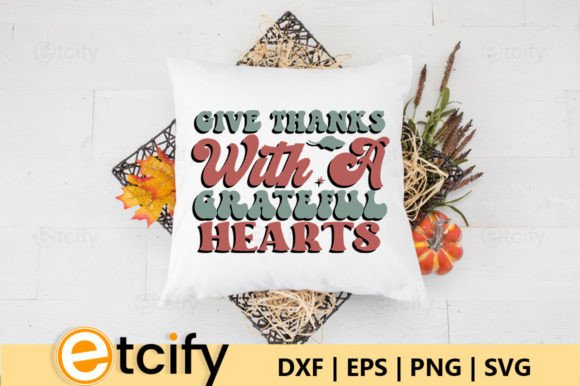
The moment I opened the file in my digitizing software, the retro aesthetic of Give Thanks with a Grateful Hearts stood out immediately. It carries a warm, nostalgic vibe that feels perfect for autumnal projects or year-round gratitude themes. The layout balances text and imagery in a way that suggests it was made for human hands, not just mass production. Unlike many generic clip-art files that feel flat when converted to stitches, this design seems to have an inherent rhythm.
For a designer looking to create a handmade product, the visual appeal is crucial. The heart motif combined with the phrase creates an emotional connection that customers respond to. In a crowded marketplace like Etsy, where buyers scroll quickly, a design that exudes warmth and sincerity can be the deciding factor. The retro style allows it to sit comfortably alongside vintage-inspired home decor, making it highly versatile for embroidery projects ranging from nursery walls to kitchen accents.
Real-World Application: The Tote Bag Scenario
To truly evaluate Give Thanks with a Grateful Hearts, I needed to simulate a high-stakes environment. I decided to use it for a custom embroidered tote bag project intended as a boutique gift set. The goal was to create a durable, stylish accessory that would serve as a functional piece of art. The challenge here is always balancing the design's detail with the constraints of the fabric.
I started by hooping a heavy cotton canvas, which is a common choice for tote bag design applications. The first thing I noticed was how the design handled the density. The heart shapes required careful attention to stitch density to prevent puckering, especially since the fabric had a distinct texture. If the stabilizer wasn't perfectly aligned, the satin stitch outlines could have looked messy. However, once stabilized correctly, the design held its shape beautifully. The curves of the hearts flowed naturally with the fabric grain, creating a professional finish that elevated the perceived value of the final item.
This scenario highlights why understanding your medium is vital. A design that looks perfect on a printable mockup might fail on a textured surface if the running stitch details are too fine. Fortunately, Give Thanks with a Grateful Hearts appears robust enough to handle the rigors of daily use, provided the user respects the limitations of the material.
Where This Design Shines
In my experience, certain products are natural homes for this specific type of embroidery file. The retro theme makes it ideal for:
- Holiday embroidery: Perfect for Thanksgiving table runners, aprons, or pillow covers.
- Baby embroidery: The soft, grateful theme works wonderfully on onesies or baby blankets.
- Sweatshirt embroidery: The design scales well for chest placements on hoodies and pullovers.
- Embroidered patches: With proper border adjustments, it could work as a sew-on patch for jackets or bags.
- Commercial embroidery: Small shop owners can use this for branded merchandise without feeling like they are selling generic items.
Caution Zones: Where to Think Twice
Even a strong design has its limits. As an experienced reviewer, I must point out where Give Thanks with a Grateful Hearts might struggle if applied incorrectly. The primary concern lies in small hoop sizes or when working with thin fabric. If the lettering contains intricate serifs or tiny decorative elements, shrinking the design to fit a 4x4 hoop could result in lost details or thread breaks.
Additionally, while the retro look is charming, it requires thoughtful color selection. On dark fabric, the contrast needs to be sharp. If the thread colors chosen do not pop against the background, the visual appeal diminishes significantly. Similarly, stretchy fabric like jersey knit can distort the geometry of the hearts unless a high-quality cut-away stabilizer is used. For curved surfaces like caps, the design might need re-digitizing to account for the curvature, as a flat design can look distorted when stitched onto a dome.
Another area to monitor is dense stitch areas. If the original file packs too much thread into a small space, the fabric may become stiff and uncomfortable, particularly for custom apparel meant to be worn close to the skin. Always inspect the stitch density before committing to a large production run.
Impact on Brand and Customer Trust
When you are a Etsy seller or a creative entrepreneur, every stitch tells a story about your brand. A sloppy execution of Give Thanks with a Grateful Hearts can undermine customer trust, while a clean, precise application reinforces professionalism. The clarity of the finished product directly influences buyer engagement. Customers want to see that you care about the quality of your personalized gifts.
A well-executed design suggests that the maker understands their craft. It transforms a simple digital product into a tangible treasure. When a customer receives a tote bag or a shirt featuring this design, the tactile experience of the embroidery adds a layer of luxury that print cannot match. This distinction is what separates a hobbyist from a serious business owner in the craft business.
Practical Designer Notes for Success
Before you rush to start your next embroidery project, consider these essential steps to ensure Give Thanks with a Grateful Hearts performs as expected:
- Test on scrap fabric first: Never assume a design will work on your final material. Test the tension and stability on a leftover piece.
- Check thread color contrast: Ensure the chosen threads stand out against your fabric background.
- Review stitch density: Look for areas that might be too thick or too thin and adjust if necessary.
- Confirm hoop size: Make sure the design fits within your machine's capabilities without cropping important details.
- Inspect small details: Zoom in on the digitized file to see if any tiny lines might break during stitching.
- Test in black and white mockups: This helps visualize the design's structure independent of color.
- Compare light and dark backgrounds: See how the design behaves under different lighting conditions.
- Use proper stabilizer: Match the stabilizer weight to the fabric weight to prevent shifting or puckering.
- Verify licensing: Before selling finished items or distributing the design assets, confirm the terms of use for commercial projects.
Ultimately, Give Thanks with a Grateful Hearts is a promising addition to any designer's library. It captures a sentiment that resonates deeply with audiences while offering the flexibility needed for various embroidery projects. By paying attention to the technical details and respecting the material constraints, you can turn this digital file into a stunning finished product that brings joy to both the maker and the recipient.