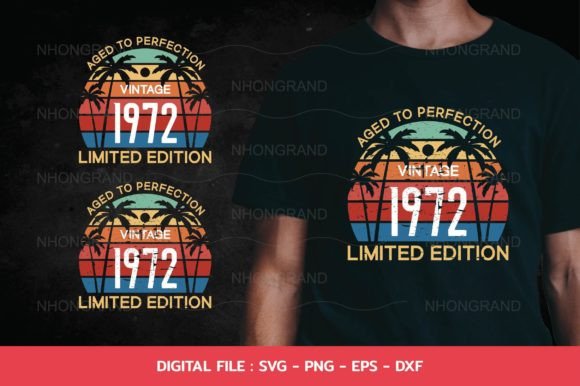
Birthday Vintage 1962 with Beach Coconut
There is a specific moment in the design process when a file stops being just pixels and becomes a tangible piece of merchandise. I recently pulled up Birthday Vintage 1962 with Beach Coconut from my collection of graphics, intending to use it for a quick personal project. However, as an experienced designer who has stitched thousands of items for clients, my first instinct was to stress-test the concept before I ever touched a needle. This isn't just a generic "happy birthday" graphic; it carries a distinct retro weight that demands careful consideration regarding stitch density, fabric choice, and overall visual impact.
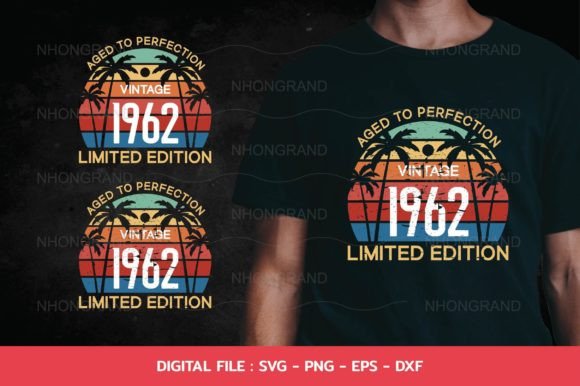
The immediate mood this design creates is one of relaxed nostalgia. The combination of the year 1962 with beach imagery and coconut trees suggests a sunset vibe, evoking feelings of summer vacations and laid-back celebrations. When you are designing for a craft business or creating personalized gifts, setting the right emotional tone is half the battle. This design feels like it belongs on a canvas tote bag sitting next to a cooler at the beach, or perhaps embroidered on the chest of a soft cotton sweatshirt for a milestone birthday celebration. It has a personality that says "celebration without the fuss," which is exactly what many modern customers look for in handmade goods.
Real-World Application: From Screen to Stitch
Let's imagine a real scenario. A client approaches you needing a custom gift for a grandmother turning sixty-two years old. She loves vintage aesthetics and spent her early years near the coast. You pull up Birthday Vintage 1962 with Beach Coconut as the centerpiece for a baby shower or a retirement party gift. The question isn't just whether the image looks good on the screen, but how it translates into thread.
In a commercial embroidery context, layout is everything. If this design were applied to a standard adult t-shirt, the balance between the text and the coconut tree silhouette needs to be respected. The retro font style usually pairs well with fill stitches, but the curves of the palm fronds require a running stitch or a carefully calibrated satin stitch to avoid bunching. For a small business owner selling on Etsy, the clarity of these details determines the perceived value of the item. A blurred or mushy palm leaf can make a premium product look cheap, while crisp, clean stitching elevates the brand immediately.
I envision this design performing exceptionally well on textured fabrics like denim or heavy canvas for tote bags. The vintage theme complements the ruggedness of these materials perfectly. However, if you plan to use this for baby clothes, you must be incredibly cautious. The intricate details of the sunset and the leaves might get lost on a onesie unless you downsize the design significantly. In those cases, the design works best as a focal point on a larger garment, like a sweatshirt or a pillow cover, where there is room for the design to breathe.
Navigating Technical Challenges
Not every surface is suitable for every machine embroidery design. While Birthday Vintage 1962 with Beach Coconut is versatile, it is not a universal solution. There are specific scenarios where this design could fail if you do not account for the physical limitations of embroidery machines and fabrics.
- Small Hoop Sizes: If you attempt to stitch this onto a cap or a small pocket, the curvature of the hat or the limited space might distort the circular elements of the sunset or the spacing of the letters. Always check your hoop size constraints before finalizing the order.
- Stretchy Fabrics: Embroidery on stretchy knits requires a stabilizer that matches the tension of the fabric. If the stabilizer is too stiff, the fabric will pucker around the detailed corners of the coconut leaves. If it is too weak, the design will shift during the run.
- Dense Stitch Areas: The fill areas representing the sky or the tree trunk need to be reviewed for stitch density. Too much density on a thin fabric can cause the material to tear or create a hard, board-like texture that ruins the drape of the garment.
- Dark Fabrics: The contrast of the design relies heavily on the thread colors chosen. On dark backgrounds, light threads may require a high-density underlay to prevent the fabric color from bleeding through the stitching, which can muddy the vintage aesthetic.
Furthermore, products that undergo frequent washing, such as kitchen towels or aprons, demand extra attention. The durability of the stitches and the quality of the thread are paramount. A design that looks beautiful after the first wash but fades or frays by the tenth will damage your reputation as a seller. Always test the finished product against your own standards of durability before listing it as a commercial item.
Visual Appeal and Brand Consistency
For the creative entrepreneur, the difference between a hobbyist project and a professional product often lies in the consistency of the finish. Birthday Vintage 1962 with Beach Coconut offers a strong visual hook that can help establish a cohesive brand identity. Imagine a boutique line of summer-themed apparel where every item features a similar retro color palette and nostalgic typography. This design fits seamlessly into that narrative.
When used correctly, the design enhances customer trust. Buyers are willing to pay a premium for items that look professionally executed. The clean lines of the vector files (assuming they are converted properly for embroidery) translate into sharp edges on the fabric. This sharpness signals quality. Conversely, if the design is stretched or pixelated during the conversion process, the entire product suffers. It is crucial to inspect the small details, such as the tiny gaps between the palm fronds, to ensure they remain distinct after digitization.
The design also impacts the giftability of the item. A well-executed vintage birthday design feels more thoughtful than a generic mass-produced tag. It tells a story about the recipient's age and interests. Whether it is a patch for a leather jacket or an embroidered logo on a tea towel, the "vintage 1962" element adds a layer of personalization that resonates deeply with recipients.
Practical Designer Notes for Success
Before you commit to a production run or start selling these designs, there are several technical steps you must take to ensure success. First, always test the design on scrap fabric. This allows you to see how the thread interacts with the weave of the material and adjust the tension accordingly. Do not skip this step, even if you have used the same design type before.
Review your thread color choices carefully. The vintage mood relies on muted tones or warm sunset hues. Using neon or overly bright threads can clash with the retro vibe. Check the stitch density settings in your software to ensure the design does not become too thick for the fabric weight. Confirm the hoop size required for the full design to avoid cropping out essential elements like the horizon line of the sunset.
If you are using this for digital product sales or printable mockups, ensure that the resolution remains high. A 300 dpi PNG is excellent for printing, but remember that embroidery files require vector-based precision. Verify whether the included SVG files are ready for direct import into your embroidery software or if they require manual tracing to optimize stitch paths.
Finally, confirm the licensing terms. Many graphics labeled for crafts come with restrictions on commercial use. If you plan to sell finished products featuring Birthday Vintage 1962 with Beach Coconut, you must have the appropriate license to do so legally. Ignoring this can lead to serious legal issues for your small shop. Ensure you understand the difference between personal use rights and commercial distribution rights before you begin stitching.
In conclusion, Birthday Vintage 1962 with Beach Coconut is a compelling asset for any crafter looking to add a touch of nostalgia to their portfolio. With the right execution, it can transform simple fabric into a cherished keepsake. By paying attention to the technical nuances of embroidery and understanding the context in which the design will live, you can create finished products that are not only visually stunning but also commercially viable and emotionally resonant.