Love Made Me: A Designer's Review for Real Embroidery Projects
I have spent years reviewing digital assets, and I have stitched thousands of designs onto everything from delicate baby rompers to heavy-duty workwear. When a new file lands on my desk, specifically one labeled as a Valentine's Day Retro SVG cut file, my first instinct is to look past the marketing fluff and ask one question: does this actually translate well into thread? Today, I am putting the Love Made Me design through that same rigorous practical evaluation. This isn't just about how it looks on a screen; it is about how it will perform when pulled tight by an embroidery machine needle.
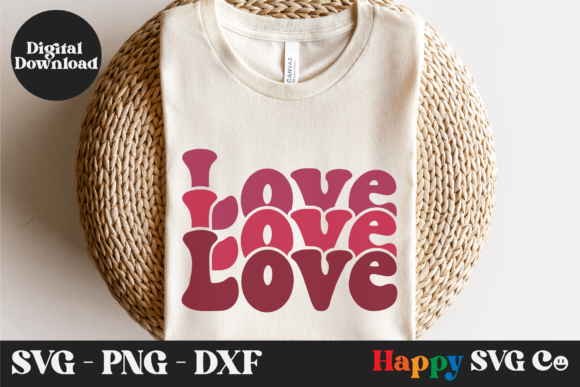
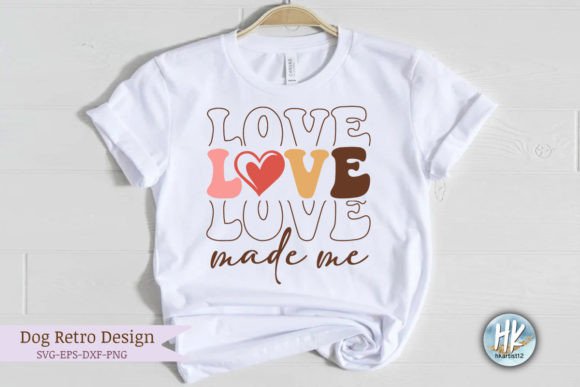
The product falls under the broad umbrella of Crafts and Graphics, but in the hands of a designer, those categories blur into something more tangible. The "Retro" aesthetic mentioned in the description suggests a specific mood—nostalgic, warm, perhaps a bit vintage with rounded typography or soft curves. For a designer eye, the immediate impression of Love Made Me is its potential versatility. It feels like a design that belongs in a boutique setting rather than a mass-produced big-box store item. The layout likely balances text and imagery in a way that invites personalization, which is exactly what modern buyers are craving when they shop for handmade goods.
From Screen to Stitch: The Real-World Scenario
Let's imagine a real-life scenario to test the viability of this file. I am preparing a custom order for a local boutique that specializes in holiday gifts. They need a limited edition run of embroidered tote bags and aprons for Valentine's Day. The client wants something that screams "handmade" but remains legible and durable after multiple washes. This is where Love Made Me enters the conversation.
If I were to use this design on a canvas tote bag, the retro style would pop beautifully against a natural beige or a deep navy background. However, before I hit the "stitch" button, I have to consider the physical reality of the fabric. Tote bags are often made of thick cotton duck, which requires a heavier stabilizer and potentially a longer stitch length to prevent puckering. If the Love Made Me design relies heavily on fine details or tiny lettering, it might get lost in the weave of the fabric. On the other hand, if the design features bold strokes and generous spacing between letters, it could become the star of the product, driving up the perceived value of the finished item.
Consider another application: a sweatshirt for a family matching set. Here, the "Retro" vibe fits perfectly with current fashion trends. But sweatshirts are stretchy knit fabrics. If the design has dense fill stitches without enough pull compensation built-in, the garment could pucker around the neckline or chest area. As a reviewer, I advise checking the stitch density carefully. A design that works on rigid paper (as implied by the "paper" mention in the description) might need significant adjustments when converted for textile use. The goal is a flat, professional finish that makes the customer feel proud to wear it.
Navigating the Pitfalls of Digital Files
It is crucial to understand that while the download includes SVG, EPS, DXF, JPG, and PNG formats, these are primarily vector and raster files intended for cutting machines or printing. Using them directly for machine embroidery design requires a conversion process. If you are an Etsy seller or running a small shop product line, you cannot simply import a cutting file into your embroidery software and expect perfect results. You must trace the paths, define the stitch types, and adjust the density manually.
There are specific areas where Love Made Me needs careful handling. Small hoop sizes are a common trap. If the design includes intricate corners or very small text, shrinking it down to fit a 4x4 inch hoop can result in a muddy mess where the threads merge together. Similarly, textured fabrics like fleece or bouclé can swallow up detail. If the design relies on high contrast between thread colors, using it on a dark fabric without a proper underlay or top layer of white thread might cause the design to look dull. In these cases, the visual appeal suffers, and the product value drops because it looks amateurish.
Another critical factor is the type of stitch used. If the design utilizes too much satin stitch on curved edges, it may not lay flat. Conversely, if it uses running stitch for outlines on a large area, it might look too sparse unless the fabric is stable. The key is balancing fill stitch coverage with open spaces to allow the fabric texture to show through, creating a dynamic look that feels organic rather than stamped on.
Practical Notes for the Design Professional
Before you commit this design to a commercial project, there are non-negotiable steps you must take. First, always test the design on scrap fabric that matches the weight and stretch of your final product. This simple step saves hours of frustration and wasted materials. Second, review the thread color contrast. A retro design often uses muted tones, but on a black background, these colors might disappear. Test it in black and white mockups first to ensure the shapes hold their integrity without relying solely on color.
You must also inspect the small details. Are the serifs distinct? Is the kerning consistent? If the design is intended for an embroidered patch, ensure there is enough border space for the edge stitching. For personalized gifts, check if the font size allows for names to be added without crowding the main message. Finally, confirm the licensing terms. Many digital products come with restrictions on how many finished items you can sell. As a creative entrepreneur, protecting your business means knowing exactly what rights you have to the design assets.
Why This Design Matters for Your Brand
In the world of craft business, presentation is everything. A well-executed Love Made Me design signals professionalism. It tells the buyer that you care about the quality of the finished product. When a customer receives a holiday gift or a wedding gift that features crisp, clean embroidery, they are more likely to leave a positive review and return for future purchases. The design becomes a representation of your brand consistency.
However, if the design is poorly executed, it can damage customer trust. Nothing kills a sale faster than seeing a photo of a tote bag design that looks pixelated or distorted. By taking the time to properly digitize and test Love Made Me, you elevate your entire operation. Whether you are creating apparel decorators for a local team, kitchen towel sets for a wedding registry, or nursery decor for a baby shower, the attention to detail pays off.
Ultimately, the success of this project depends on your ability to adapt the digital file to the physical medium. The digital embroidery file is just a starting point. The magic happens when you apply the right stabilizer, choose the best thread colors, and understand the limitations of your hoop size. If you approach Love Made Me with a critical eye and a willingness to test, it has the potential to be a standout piece in your portfolio. It captures a sentiment that resonates deeply during the holiday season, making it a smart choice for any maker looking to add a touch of warmth and nostalgia to their collection.