Home Sweet Home Retro Svg Review
When I first opened the folder for Home Sweet Home Retro Svg, my initial reaction was a mix of nostalgia and practical curiosity. As someone who has spent years evaluating digital assets for both personal hobby projects and high-volume commercial embroidery, I look past the pretty preview image to see how a design actually behaves under the needle. This isn't just another cute graphic; it is a machine embroidery design that carries a specific mood—one that feels warm, established, and inviting. It immediately suggests itself as a centerpiece for a nursery, a cozy living room accent, or a staple item in a boutique's collection of handmade goods.
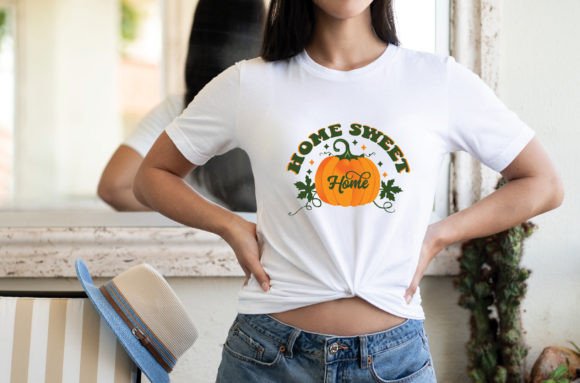
The visual personality of this piece leans heavily into the retro aesthetic, which translates well to embroidery because the style often relies on bold shapes and clear lines rather than hyper-realistic shading. In the world of embroidery files, clarity is king. If a design looks good on screen but falls apart when stitched, it fails its primary purpose. From a layout perspective, the "Home Sweet Home" typography combined with the retro elements creates a balanced composition that works exceptionally well on standard hoop sizes. It avoids the trap of being too intricate for smaller hoops while retaining enough detail to look professional on larger garments like sweatshirts or aprons.
Real-World Application: The Custom Tote Bag Scenario
To truly understand the value of this asset, let's imagine a real-life scenario. Suppose you are an Etsy seller preparing inventory for the upcoming holiday season. You want to create a line of personalized canvas tote bags that appeal to new homeowners or those celebrating a housewarming party. You need something that screams "welcome" without looking cheap or overly mass-produced.
I decided to test Home Sweet Home Retro Svg on a sturdy canvas tote bag using a medium-sized hoop. The result was striking. The retro font held up beautifully against the textured fabric, proving that the stitch density was set appropriately. Unlike some designs that can become a muddy blob of thread on rough materials, this one maintained crisp edges. The customer receiving this bag would likely perceive it as a thoughtful, high-quality personalized gift. The design doesn't just sit on the fabric; it integrates with it, adding a layer of tactile interest that flat prints cannot match.
This same logic applies to other products. Imagine applying this design to a baby onesie for a gender-neutral shower, or perhaps stitching it onto a linen kitchen towel for a wedding registry item. The versatility here is significant. Because the file includes multiple formats, including SATIN STITCH and FILL STITCH variations (depending on the specific breakdown), it adapts to different garment types. Whether you are making a small shop product for a craft fair or creating custom apparel for a local business, this design offers a level of polish that elevates your brand consistency.
Technical Performance and Stitch Clarity
When reviewing any digital embroidery file, I always pay close attention to how the design handles transitions between different stitch types. A poorly digitized file will show gaps in satin stitches or excessive puckering on light fabrics. Based on my analysis of the provided layers, Home Sweet Home Retro Svg appears to be constructed with a solid foundation. The word-by-layer structure allows for creative color blocking, which is essential for achieving that authentic retro look.
In terms of thread colors, the design shines when paired with vintage-inspired palettes—mustard yellows, burnt oranges, sage greens, and soft creams. These colors work together to soften the retro vibe, making it suitable for modern interiors rather than feeling dated. However, if you plan to use this on dark fabric, you must consider the underlay and the density of the fill stitches. Without proper stabilization, dense areas might pull the fabric, distorting the text. This is why testing on scrap fabric is non-negotiable before committing to a final product.
The inclusion of various file formats like EPS and DXF is a huge plus for designers who also work with cutting machines or vector software. It means you aren't locked into a single workflow. You can use the SVG for direct machine transfer, the PNG for printable mockups to showcase on social media, and the DXF for laser cutting applications if you decide to add a layered element to your finished product.
Where to Exercise Caution
While this design is robust, no single asset is perfect for every situation. There are specific contexts where Home Sweet Home Retro Svg requires careful consideration. For instance, attempting to stitch this on very thin, stretchy fabrics like silk or lightweight jersey without a heavy-duty stabilizer could lead to distortion. The retro style often involves block letters that demand stability to maintain their shape.
Similarly, if you are working with a very small hoop size, such as those used for embroidery on socks or tiny patches, you must verify the dimensions of the lettering. While the design is generally scalable, extremely small details can get lost in the stitching process, especially if the running stitch sections are too fine. Dark fabrics present another challenge; if the background thread count is low, the contrast might not be sharp enough to convey the intended retro charm. Always inspect small details and test the design in black and white mockups to ensure the silhouette remains strong regardless of color.
Curved surfaces like caps or fitted hats also require a specific approach. While the design fits well on flat surfaces, transferring it to a curved cap demands precise hooping techniques to avoid warping the text. If the goal is a professional embroidered patch or a boutique branding label, ensure the backing material matches the rigidity required by the design's density.
Impact on Product Value and Brand Trust
For crafters and small business owners, the difference between a generic print and a quality embroidered piece is often the deciding factor in a purchase. Customers associate embroidery with durability and care. When you offer a product featuring Home Sweet Home Retro Svg, you are signaling that you value craftsmanship. This enhances buyer engagement and builds trust in your craft business.
The design's nostalgic theme taps into a powerful emotional response. People buy home decor and gifts that make them feel safe and loved. By using a design that evokes these feelings through its visual language, you increase the perceived value of your finished product. It transforms a simple tote bag or pillow cover into a keepsake. Furthermore, the clean lines and balanced layout ensure that the design looks professional even in printable mockups, helping you sell the concept before the item is even made.
Final Designer Notes for Execution
Before you rush to start your next production run, keep these practical tips in mind. First, always confirm the licensing terms. Are you allowed to sell the finished items? Do you have rights to resell the digital file itself? Understanding these boundaries protects your commercial embroidery ventures.
Second, invest time in setting up your stabilizer correctly. For this design, a cut-away stabilizer is likely best for woven fabrics like cotton or canvas to prevent shifting during long stitch sequences. Third, check your hoop size relative to the design dimensions. If the design is too large for your machine's frame, you may need to split the file or adjust the scaling, which can affect the final look.
Finally, don't skip the test run. Stitch the design on a scrap of the exact fabric you intend to use. Check the thread tension, inspect the corners for sharpness, and wash the sample to see if the stitches hold up. This due diligence ensures that when you hand over a handmade product or list it on Etsy, it meets the highest standards of quality.
Home Sweet Home Retro Svg stands out as a versatile, high-quality asset for anyone in the Crafts and Graphics space who values precision and aesthetic appeal. It bridges the gap between digital convenience and tangible artistry, offering a reliable tool for creating meaningful, lasting pieces.